


Case Study
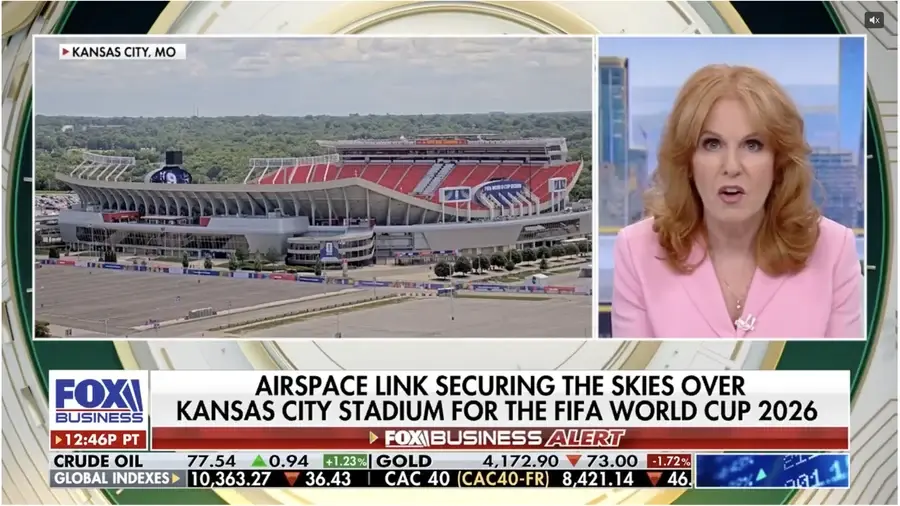
Securing the Skies Over Kansas City
How Airspace Link helped Kansas City build a regional drone coordination platform for FIFA World Cup 2026 — and the urban airspace infrastructure that outlasts it.
The Challenge
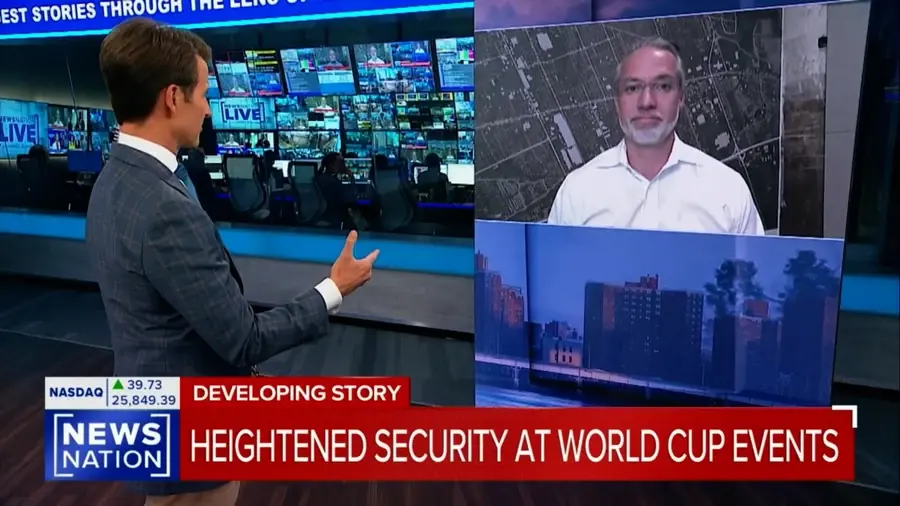
Hosting World Cup matches meant Kansas City needed real-time visibility into every drone in its airspace — friendly, commercial, and unauthorized — across multiple agencies with no shared system to coordinate it.
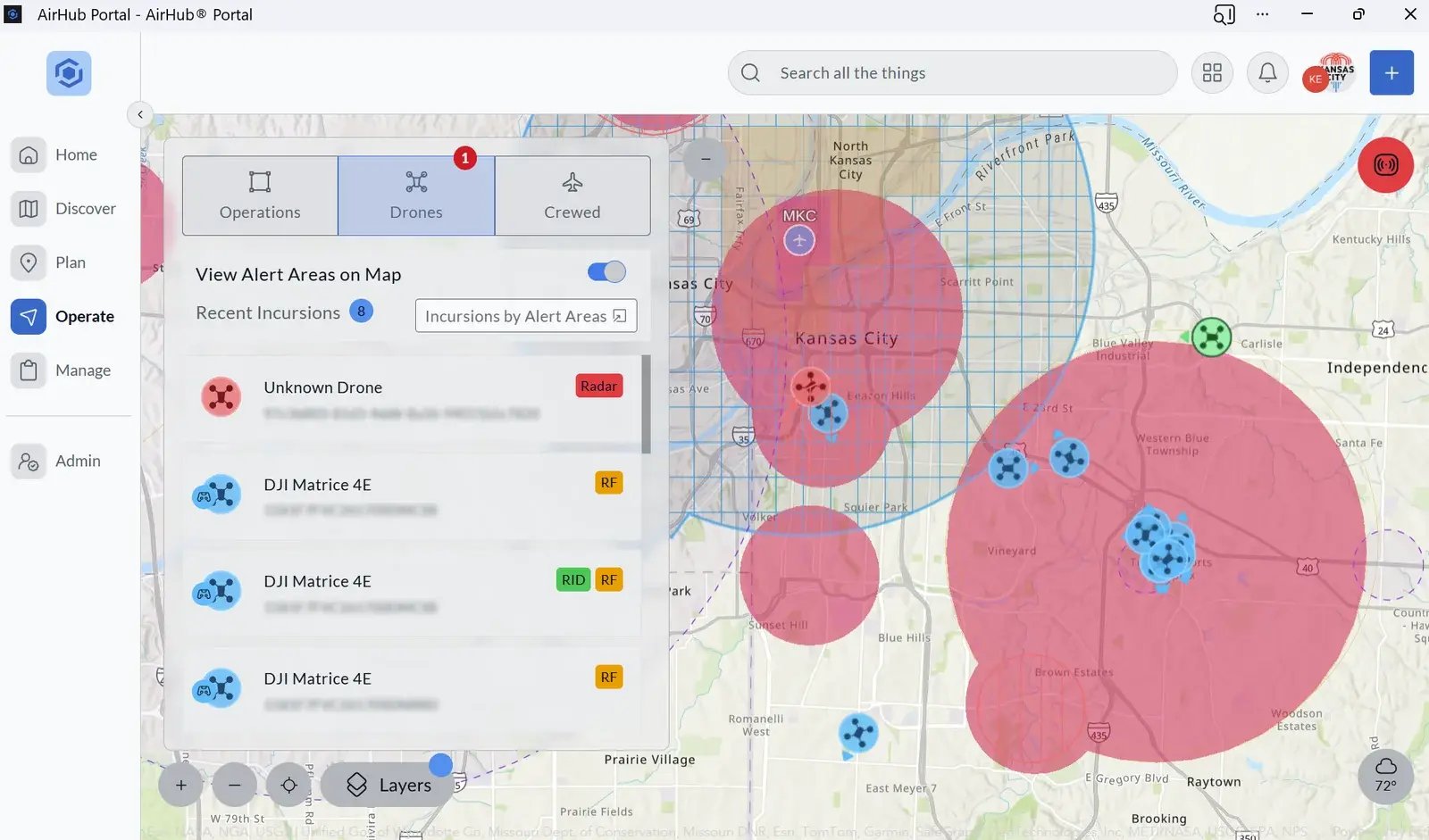
Multiple agencies already operated their own detection systems, with no way to see across networks or coordinate response. The Kansas City Police Department needed a single shared operating picture — not another siloed tool.
The clock made this harder. In December, the U.S.. Department of Homeland Security (DHS) committed $250 million in grants to help World Cup host cities fund counterdrone equipment — but a 76-day DHS shutdown early in 2026 delayed grant processing nationwide, leaving many host cities scrambling to install equipment and train personnel in the final weeks before kickoff. With input and support from Airspace Link, Kansas City got its paperwork in the day before the shutdown began, giving it a head start most cities didn't have — but even with that advantage, standing up entirely new detection, coordination, and response infrastructure in months, not years, meant building something most cities had never operated before, against a deadline that wouldn't move.
17
Federal, state, and local agencies coordinated on one shared platform
19
Drone encroachments detected first two weeks; 18 owners contacted
$11.4M
DHS grant that funded Kansas City's detection and radar equipment.
The Solution
Airspace Link supported Kansas City from the earliest planning stages — sourcing technology partners, defining requirements, and helping the city think through both immediate and long-term needs. The near-term priority was protecting citizens and World Cup fans; the longer-term view was treating this as infrastructure investment — laying groundwork for drone delivery, advanced first responder capabilities, and cross-jurisdictional collaboration with neighboring communities well beyond the tournament.
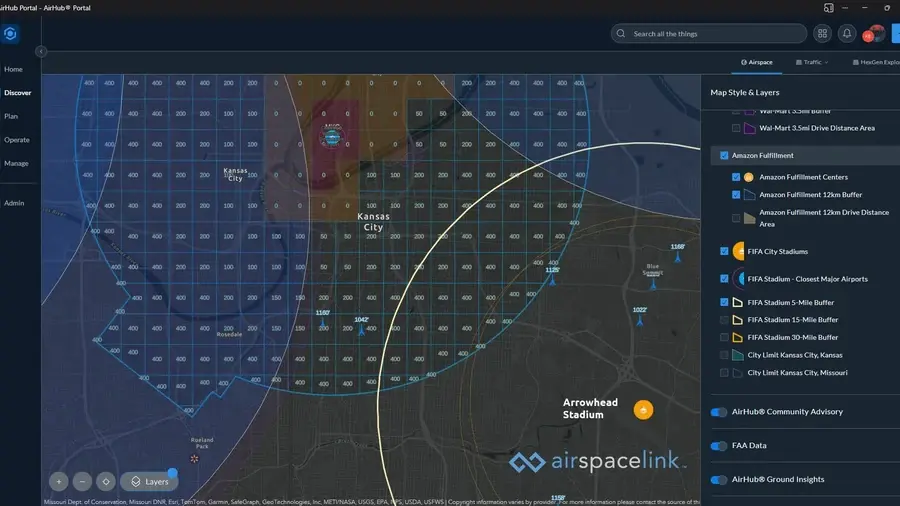
In partnership with the Kansas City Police Department, Airspace Link deployed AirHub® Portal as the Common Operational Platform for the region's Counter-UAS support during FIFA World Cup 2026 — configured as an enterprise-grade Drone Operations Management System that gives every supporting agency exactly the data and access they need.
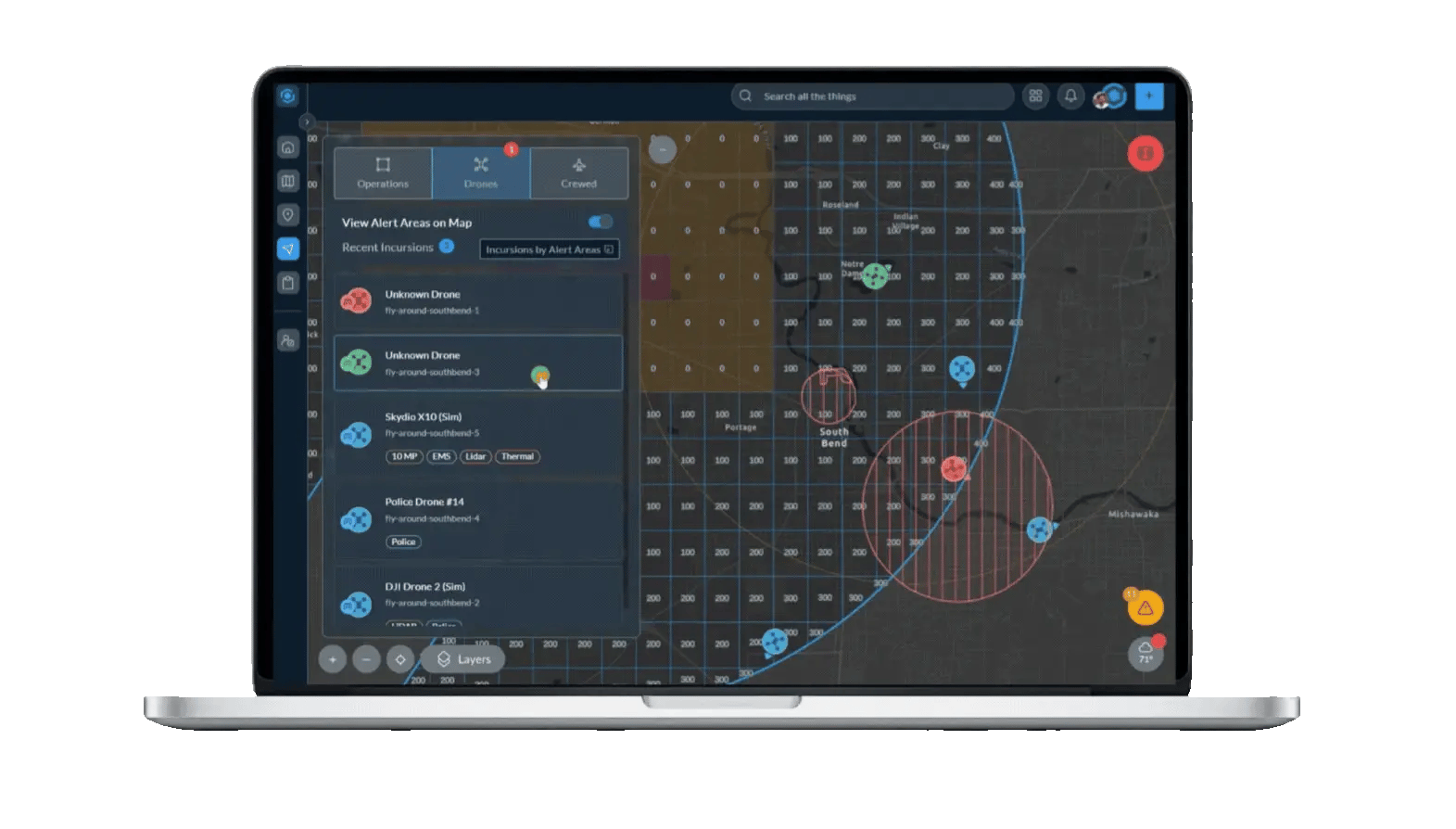
DroneShield sensors form the detection backbone, with Airspace Link layering coordination data in as each sensor comes online. Integrations with Skydio and DroneSense further extend the platform to police and fire DFR and interception operations — turning a dozen separate systems into one shared picture.
Built to Last
Kansas City isn't treating this as temporary event security — it's building permanent infrastructure. The platform is designed for long-term management of increasingly complex low-altitude airspace operations already emerging across the region, not just six weeks of World Cup matches.
Amazon Prime Air is already flying commercial deliveries in the area — one of only a few U.S. markets where Prime Air is operational, departing a dedicated Kansas City, Kansas fulfillment site within an eight-mile radius. During the World Cup itself, Airspace Link's platform showed exactly this in action: police drones and Amazon Prime Air delivery drones, sharing the same airspace, on the same operational picture. The same coordination layer that protects World Cup crowds will manage the everyday airspace of a growing drone economy long after the final match.
"This gives us the ability now to not only see the drone, but locate where it is coming from...It will be huge. Having this capability is going to really provide us a level of security."
— Major Greg Williams, Kansas City Police Department (The New York Times, June 24, 2026)