
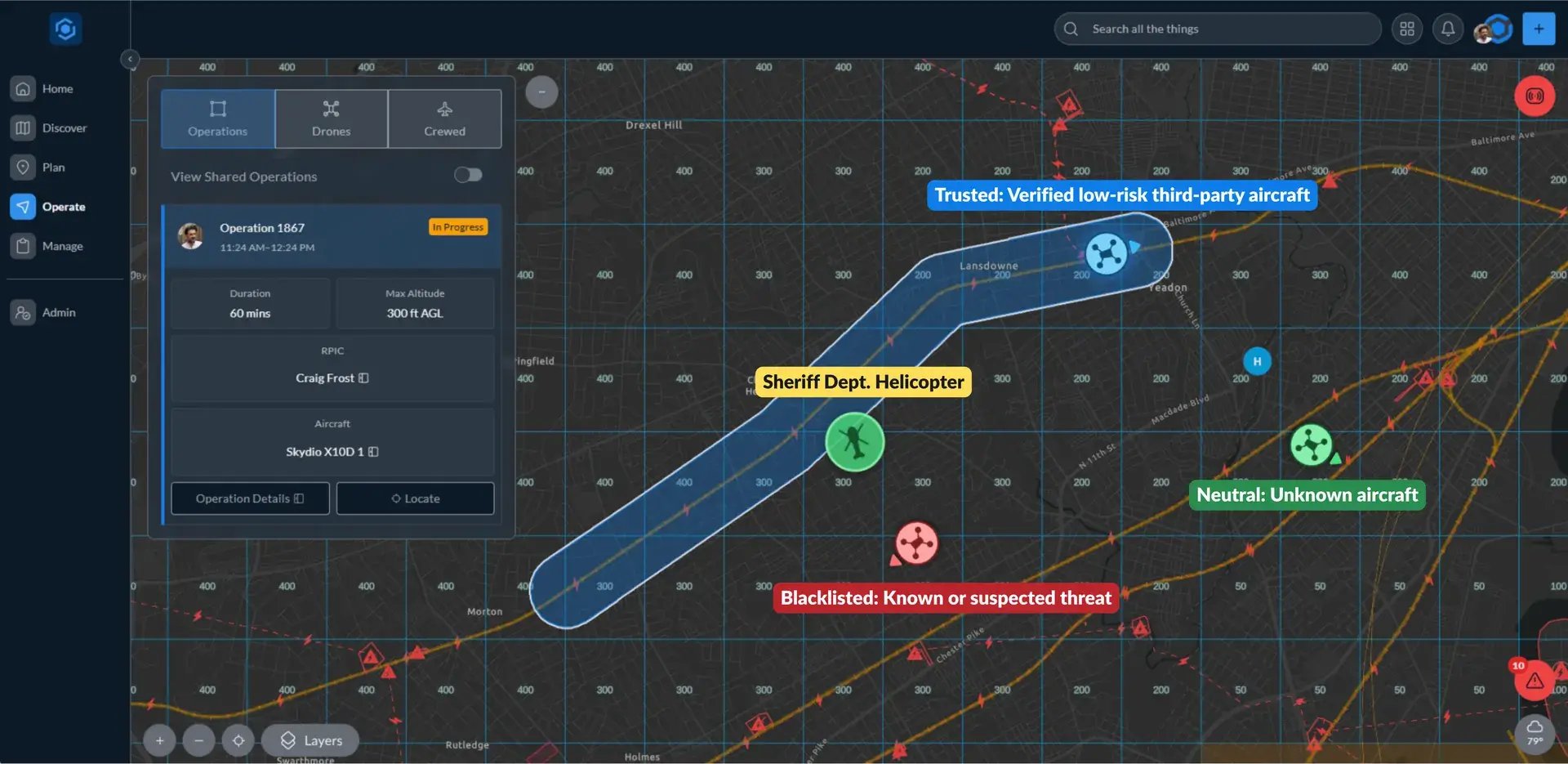
Detection Finds the Drone. AirHub Portal Defines the Response.
Where the identification layer fits in a counter-UAS program, and how it lines up with the FY2027 DHS/FEMA C-UAS Grant
Read More
Where the identification layer fits in a counter-UAS program, and how it lines up with the FY2027 DHS/FEMA C-UAS Grant
Read More
Last summer, 11 FIFA World Cup host cities and the National Capital Region raced to stand up counter-drone capability before the first match. Many agencies were still training when the crowds arrived. Now a second round of funding is here, and every state and territory has a seat at the table.
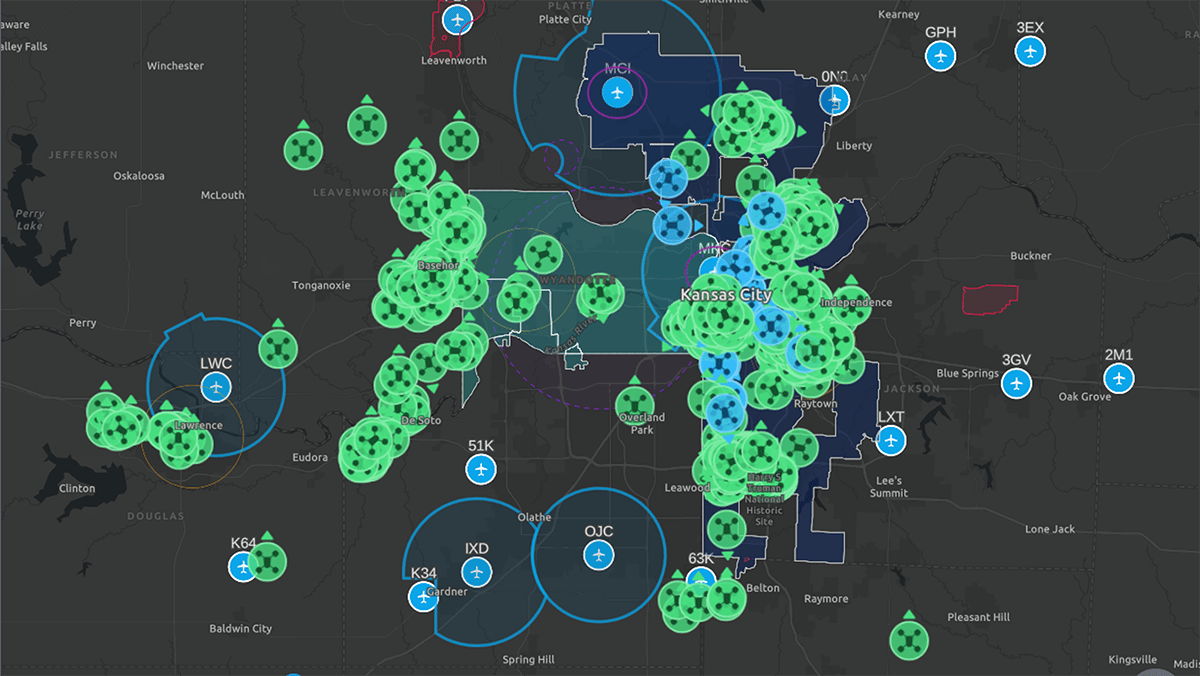
On Friday, October 16, at 4:59 p.m., FEMA made $250 million available to help every state and territory detect, identify, track, and monitor drones. Applications close November 16.

Build, complete, and audit checklists and flight risk assessments directly against the operations they protect.

The Problem: From Detection to Decision Modern drone detection sensor networks can pick up every aircraft in the sky, but raw detection only solves part of the problem. When your team sees ten drones on the screen, the urgent question is not “what’s flying?” but “which of these matters?” Without a way to capture and share what individual users...

XPONENTIAL 2026 brought the global drone, autonomy, robotics, and advanced air mobility industries to Detroit — and for Airspace Link, this year felt different.

The Problem: Fragmented Regional Coordination In shared airspace, operational efficiency and safety hinge on cross-organization coordination. But when multiple entities are flying in the same area, there’s often no visibility into each other’s planned operations. Without a shared coordination layer, crews are showing up in the field with little to...

As cities finalize C-UAS procurement for FIFA 2026 and other major events, understanding the complete operational cycle—detection, identification, and mitigation—is essential for effective deployment.

A streamlined way to document maintenance history, track fleet health, and ensure program accountability.

A real time health indicator for your airspace awareness sensor network to ensure continuous situational awareness.